
Multi-split Systems Explained: A Smart Option For Lismore Homes Without Ducting
Many homeowners experience uneven comfort: some rooms are fine, others stifling. Ducted air conditioning seems like a major renovation, so a multi-split system offers a practical alternative. It pairs multiple indoor units with one outdoor unit for targeted cooling or heating without ceiling modifications. This guide explains how they work, suitable locations, and considerations before choosing one.
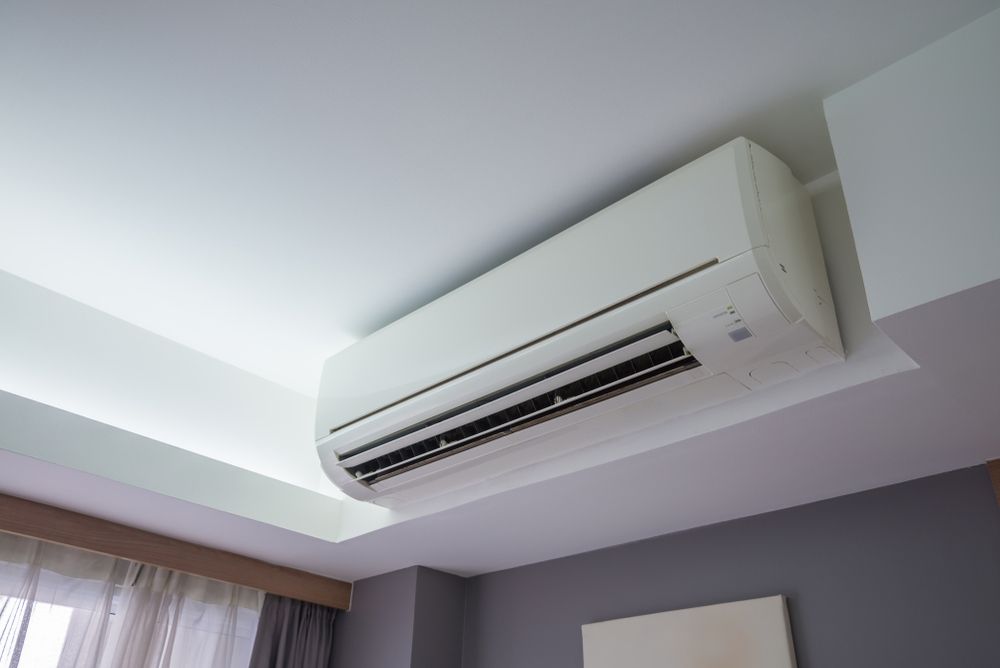
Why Multi-Split Systems Make Sense When Ducting Isn’t an Option
Some homes simply aren’t built with ducting in mind, and retrofitting it can mean bulkheads, ceiling work and a lot of patching. That’s where multi-split air conditioning comes in. Instead of one central ducted system, you can run multiple indoor units in different rooms, powered by a single outdoor unit outside.
It’s a smart option if you want multi-room comfort without committing to the full ducted route, especially with large layouts, tricky access, or when you’re only targeting specific parts of the home.
- Ideal for homes where ceiling access is limited or ducting would be invasive
- Lets you focus on the rooms you actually use most, rather than conditioning the entire house
- Suitable for staged upgrades, where you add rooms over time
For many households, the appeal is simple: it delivers control and coverage with less disruption.
One Outdoor Unit, Multiple Indoor Units: How the Setup Works
A multi-split system is built around one outdoor unit connected to two or more indoor units via refrigerant pipework and cabling. Each indoor unit sits in a separate room, delivering heating and cooling independently, while the outdoor unit handles the overall load.
That shared outdoor unit is the reason multi-splits can suit tighter outdoor spaces and help reduce exterior clutter compared to installing multiple separate split systems.
Key points worth understanding before you commit:
- The outdoor unit has a maximum total capacity, which needs to match the combined demand of all indoor units
- Indoor units can be different sizes and styles depending on the rooms they serve
- A professional install includes correct sizing, pressure testing, commissioning and compliance checks
A well-designed system isn’t just “add units until it feels enough.” It’s about balancing performance across rooms without overloading the outdoor unit.
Zoned Comfort Without the Complexity: Controlling Different Rooms Independently
One major advantage is zoned control, with each indoor unit having its own controller to set different temperatures or switch off rooms not in use. Multi-splits enhance this by enabling zoning, which changes daily use by cooling only occupied areas instead of the whole home, thereby matching your routine.
- Run bedrooms at night without cooling empty living areas
- Keep a home office comfortable during the day without running everything
- Set different modes and temperatures in different rooms
Zoning is one of the features that often makes a multi-split system air conditioning in Lismore feel like the “right fit” for real family routines, rather than an all-or-nothing setup.
Where Multi-Splits Shine: Renovations, Extensions & “Problem Rooms”
Multi-split systems are ideal for homes that have expanded over time, like an extension, converted garage, or upstairs room. Installing ducting may seem excessive, but adding separate outdoor units for each room can be messy. Multi-splits target comfort issues without major construction.
Common situations where multi-splits fit well include:
- Renovations where ceiling cavities aren’t being opened up
- Homes with add-on rooms that sit outside the main floor plan
- Rooms that run hotter or colder due to sun exposure or poor airflow
The best results come from room-by-room planning, including unit placement, airflow direction and matching unit capacity to the space.
Choosing the Right Indoor Unit Style: Wall, Floor or Bulkhead Options
Not every room suits the same indoor unit style. Layout, ceiling height, furniture placement and how the room is used all influence what will work best. A multi-split system can mix indoor unit styles, which is helpful if one space needs a discreet option while another needs maximum airflow.
You’ll generally see three common styles:
- Wall-mounted units: versatile and common, ideal for most bedrooms and living areas
- Floor-mounted units: useful when wall space is limited or airflow needs to stay low
- Bulkhead/ceiling concealed units: a cleaner look, often chosen for main living areas where aesthetics matter
The “right” choice delivers steady airflow aligned with the room’s layout. Professionals help avoid mistakes like short cycling, poor airflow coverage, or placing units where they oppose natural heat patterns.
What Installation Really Involves (And How to Keep It Low Disruption)
A well-planned multi-split installation is less disruptive than ducting but requires careful execution. Pipework runs from the outdoor unit to each indoor unit through wall cavities, roof space, or external trunking, depending on the home. The process involves more than just mounting units.
- Site assessment, system sizing and layout planning
- Indoor unit placement and secure mounting
- Pipework runs, drainage and electrical connections
- Testing, vacuuming, pressure checks and commissioning
- Demonstrating controls and explaining basic care
The key to a neat, efficient installation is proper planning. Good installers consider access, minimise wall damage, and maintain a clean finish, especially in homes where patching and repainting are undesirable.
Efficiency and Running Costs: What Impacts Power Use in Multi-Split Systems
A multi-split system can be efficient, but like any air conditioning setup, its efficiency depends on design, usage habits, and maintenance. People often assume “more rooms” automatically means higher bills, but zoning changes that. If you’re only conditioning the spaces you’re using, your power use can stay reasonable.
The bigger impacts on running cost are usually:
- Correct unit sizing (too big or too small both cause inefficiency)
- How many rooms you run at once and for how long
- Room insulation, window coverings and sun exposure
- Temperature settings and how often the system cycles on and off
A multi-split system suits households seeking staged comfort, cooling living rooms in the afternoon and bedrooms at night to reduce runtime while keeping comfort. When choosing air conditioning in Lismore, consider not only the initial quote but also real-world usage, where the value lies.
Maintenance, Repairs & Long-Term Care for Multi-Split Air Conditioning
Multi-splits are reliable when installed correctly but need ongoing care, including filter cleaning and professional servicing to ensure airflow and performance. Since multiple rooms share one outdoor unit, maintenance is vital, as issues can affect the whole system.
To keep your system running well:
- Clean filters regularly and keep indoor vents clear
- Watch for reduced airflow, unusual noise or inconsistent temperature
- Keep the outdoor unit clear of leaves and debris
- Book periodic servicing to check pressures, drainage and electrical connections
If problems occur, address them early. Small issues like blocked drains or airflow restrictions can worsen if ignored. Regular maintenance extends system life and ensures proper operation.
If you’re looking at multi split air conditioning in Lismore because ducting isn’t practical, you’re not alone. High humidity, long warm stretches and homes that have been extended over time can make comfort tricky, especially during peak periods when your air conditioning works harder and longer.
Here at Northernair, we can help you choose the right system, plan the setup properly and install it cleanly, with the goal of delivering reliable
air conditioning in Lismore that suits your lifestyle. To get advice,
request a quote or book an assessment, visit https://www.northernair.com.au and speak with our team.


